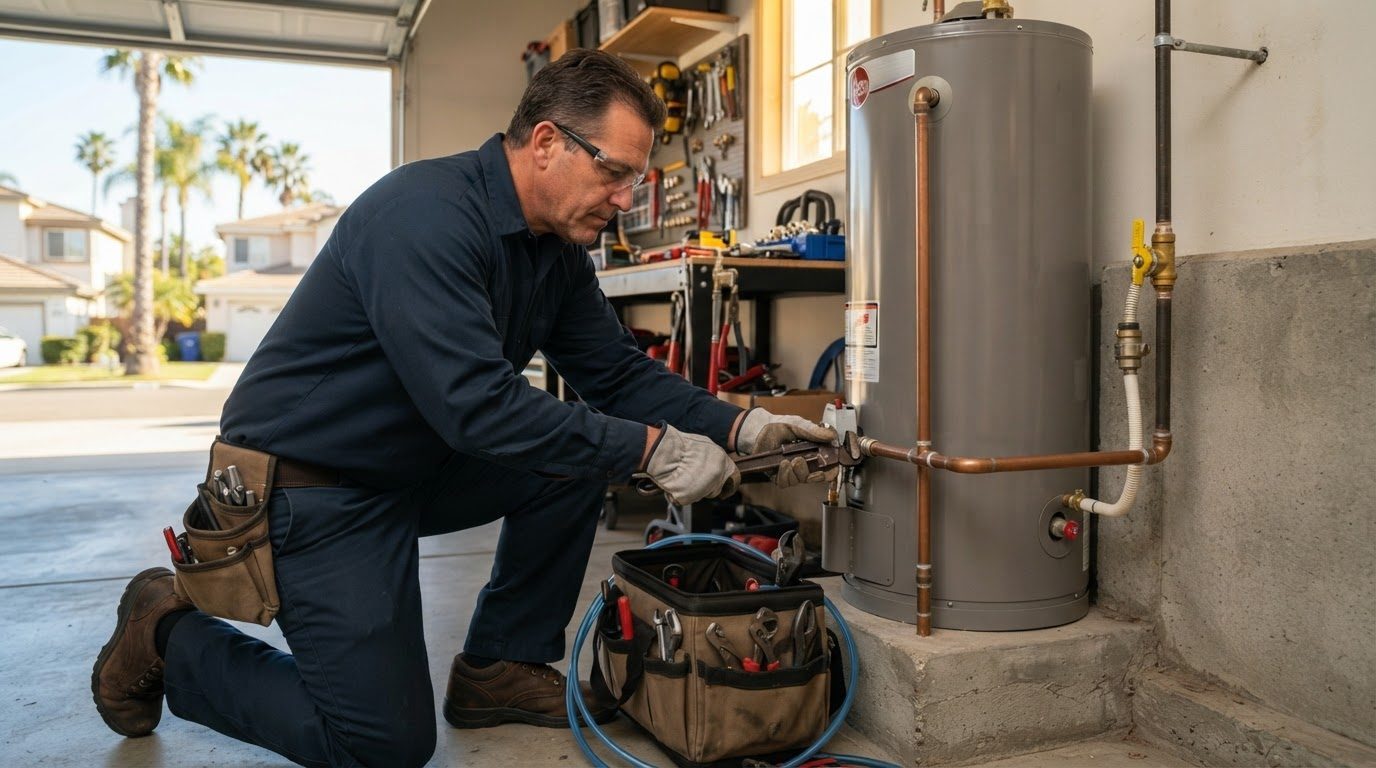
A dripping ceiling, sewage odor, or water heater that suddenly stops working can turn an ordinary Huntington Beach day into a property emergency. Coastal homes, apartments, restaurants, and offices all depend on plumbing systems that may include aging supply lines, heavily used drains, and equipment hidden behind walls or beneath slabs.
Choosing a Plumber in Huntington Beach is less about finding the first available technician and more about matching the contractor’s diagnostic ability to the problem. A simple faucet repair, sewer obstruction, gas-line concern, and slab leak require very different tools, qualifications, and scopes of work.
For local service, Plumbing By Tony presents upfront estimates and handles repairs, drains, sewer lines, water heaters, and emergency plumbing. Regardless of the provider, homeowners should request a clear diagnosis, understand the proposed remedy, and confirm whether permits or restoration work are included.
When a Huntington Beach Plumbing Problem Needs Immediate Attention
Not every plumbing defect requires an emergency call. A minor faucet drip or slowly draining bathroom sink can usually wait for a scheduled appointment, provided the condition is stable. Immediate attention is appropriate when water, sewage, gas, or pressure threatens people or property.
Call promptly for:
- A burst pipe or actively spreading leak.
- A sewer backup or wastewater entering the building.
- An overflowing toilet that will not stop after the supply valve is closed.
- A gas odor or suspected gas-line leak.
- A failed water heater that is leaking, releasing steam, or losing its pressure-relief function.
- Complete loss of water, particularly in a commercial facility or multifamily property.
First, close the nearest fixture shutoff valve. If the leak continues, use the main water shutoff. Keep away from wet electrical outlets, appliances, and panels; do not enter standing water where electrical hazards may exist. If you smell gas, avoid switches, flames, and equipment that could create a spark. Leave the area, ventilate only if it is safe to do so, and contact the gas utility or emergency services according to the situation.
Photograph visible damage and note when symptoms began. Rapid shutoff and professional leak detection can prevent damaged drywall, flooring, cabinets, insulation, and personal property. This matters especially in coastal homes and apartments, where moisture can migrate quickly through shared walls, crawlspaces, and slab foundations. For businesses, a fast response may also reduce sanitation risks and downtime.
Drain, Sewer, and Leak Problems Common to the Area
Recurring slow drains, toilet clogs, foul odors, gurgling, and backups indicate more than an isolated obstruction. Hair and soap residue commonly affect showers, while grease, food waste, mineral deposits, and foreign objects affect kitchen and commercial drains. In older neighborhoods, tree roots may enter weakened sewer joints and repeatedly catch debris.
A competent diagnostic workflow may include:
- A mechanical rooter or cable machine for a localized blockage.
- A sewer camera inspection to identify collapsed pipe, root intrusion, offsets, or heavy buildup.
- Hydro jetting to scour grease and mineral scale from suitable pipe materials.
- Pressure testing or electronic leak detection for concealed water loss.
- Trenchless pipe lining or bursting where site conditions support a no-dig repair.
Excavation may still be necessary when a line has severe collapse, inadequate slope, extensive displacement, or damage that trenchless methods cannot correct. The estimate should identify access requirements, restoration responsibilities, and whether permitting is needed.
Hidden and slab leaks deserve particular caution. Warning signs include unexplained increases in water usage, warm flooring near hot-water lines, damp carpet, mold or musty odors, continuously running meters, and moisture near a foundation or baseboard. A professional may isolate circuits, perform a pressure test, use acoustic equipment, or trace temperature differences before opening a wall or floor.
Southern California’s hard water can contribute to scale on fixtures, valves, and water-heating components, although it is not the cause of every failure. Varied soils, coastal moisture, and older plumbing infrastructure can also influence movement, corrosion, and access concerns. These factors justify inspection and maintenance—not automatic replacement.
Water Heaters, Fixtures, and Everyday Plumbing Repairs
Residential plumbing service commonly includes tank and tankless water heaters, toilets, faucets, garbage disposals, tubs, showers, pressure regulators, and appliance connections.
Water-heater symptoms that warrant professional evaluation include rusty or cloudy water, popping or rumbling sounds, inconsistent temperatures, a leaking tank, a tripping electrical breaker, or a temperature-and-pressure relief valve that discharges water. Sediment can reduce efficiency and overheat tank surfaces; gas units also require correct venting and combustion safety checks. Tankless systems may need descaling, flow verification, filter cleaning, and inspection of venting and gas capacity.
Repair versus replacement depends on:
- Equipment age and corrosion condition.
- Frequency and cost of previous repairs.
- Energy efficiency and operating expenses.
- Safety concerns, including venting, electrical protection, and relief valves.
- Required hot-water capacity and recovery rate.
A replacement estimate should specify tank size or tankless output, fuel type, seismic restraint where applicable, shutoff and expansion-tank requirements, venting, disposal, warranty, and permit handling. Tankless equipment can provide continuous hot water but may require larger gas lines, upgraded electrical service, or simultaneous-flow planning.
Commercial properties face higher fixture loads and more disruptive failures. Restaurants, offices, medical facilities, and retail buildings may need service for high-use restrooms, commercial kitchens, dishwashers, ice machines, backflow devices, and scheduled maintenance programs.
Gas Lines, Repiping, and Water Quality Improvements
Gas-line diagnosis and appliance connections require qualified work, leak testing, correct sizing, approved materials, and awareness of California and local inspection requirements. A plumber may use pressure testing, approved electronic detection equipment, and combustion or venting checks. Utility coordination may be necessary if service is interrupted or a meter connection is involved.
Repiping is worth investigating when a property has frequent leaks, severe corrosion, persistent low pressure, discolored water, or outdated piping materials. Copper can offer durability and established code acceptance, while PEX may reduce connection points and installation disruption. The appropriate choice depends on water chemistry, routing, temperature exposure, access, building type, and local code requirements—not merely the material’s reputation.
Water-quality improvements should solve a documented concern:
- Filtration can address sediment, taste, or specific contaminants.
- Water softening reduces hardness minerals that contribute to scale.
- Reverse osmosis is often used at a dedicated drinking-water tap.
- Pressure regulation protects fixtures and appliances from excessive supply pressure.
Gas work, repiping, water-heater replacement, backflow assemblies, and certain sewer projects may require permits, inspections, or coordination with the utility provider. A written proposal should state who handles those steps.
How to Choose and Plan for a Plumber in Huntington Beach
Before scheduling, verify:
- An active California plumbing contractor license when required for the project.
- General liability and workers’ compensation insurance.
- Experience with the specific issue, such as sewer cameras, slab leaks, gas systems, or commercial plumbing.
- Recent local reviews and references.
- Written estimates, warranty terms, and emergency availability.
A useful estimate identifies the diagnosis, labor, materials, permits, access work, disposal, restoration, and conditions that could change the price. Cost varies widely: a drain clearing may be a limited service call, while a water-heater installation, sewer repair, or slab leak can involve equipment, demolition, permits, and reconstruction. National consumer estimates often place basic service calls around $100–$300, while major replacements and concealed repairs can reach several thousand dollars; local access and scope determine the actual figure.
Ask whether the plumber uses electronic leak detection, sewer video inspection, hydro jetting, pressure testing, and documented before-and-after findings. Request clarification on whether diagnostic fees are credited toward repair work.
Before arrival:
- Clear access to fixtures, the water heater, crawlspace, or cleanout.
- Locate the main shutoff and identify any inaccessible valves.
- Record symptoms, timing, affected fixtures, and previous repairs.
- Photograph visible damage and preserve relevant utility-bill information.
- Keep pets and occupants away from standing water or work areas.
Frequently Asked Questions About Huntington Beach Plumbing
How much does a plumber cost in Huntington Beach?
Pricing depends on urgency, diagnosis, access, materials, labor, permits, and restoration. A straightforward drain clearing is fundamentally different from a water-heater replacement, sewer excavation, or slab-leak repair. Request an itemized written estimate and ask about diagnostic, after-hours, access, and potential change-order charges.
How can I find an honest plumber in Orange County?
Compare licensing, insurance, relevant experience, local feedback, communication practices, itemized estimates, and workmanship guarantees. The lowest quote may exclude permits, access work, disposal, or restoration. A credible contractor explains both the recommended repair and reasonable alternatives.
Do plumbers provide emergency service after normal business hours?
Some companies provide nights, weekends, and holiday response, while others operate only during scheduled hours. Confirm availability, dispatch fees, response expectations, and the definition of an emergency before authorizing a visit.
Are licensed and certified plumbers the same?
No. A license generally authorizes plumbing contracting under state requirements. A certification may demonstrate additional training or specialization, such as backflow prevention, water treatment, or equipment service. Verify the specific credential and whether it applies to the proposed work.
When should I call a plumber instead of trying a DIY repair?
Call a professional for gas odors, sewage, hidden or slab leaks, pressurized lines, recurring blockages, water heaters, major water loss, or possible structural damage. DIY work is reasonable only for limited tasks—such as replacing an accessible aerator or supply hose—when the shutoff works and the repair does not involve concealed or hazardous systems.