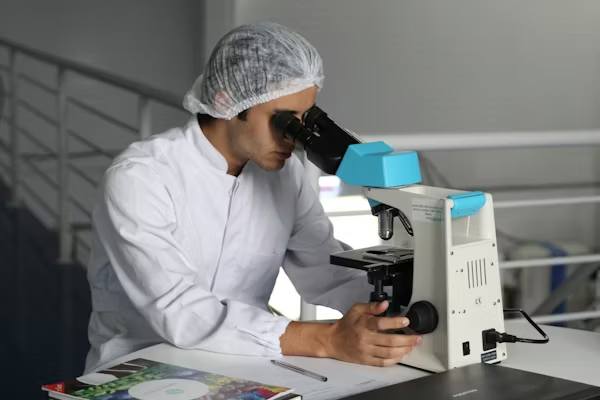
Medical progress often feels distant, almost abstract. New treatments, refined surgical methods, and improved patient care seem to appear over time after thorough research. Yet behind many of these advancements lies a quieter foundation. Real human contribution plays a role that cannot be replaced by simulation alone.
Where Real Learning Takes Shape
Human Contribution to Medical Training: The role of body donation continues to shape how future medical professionals learn. It provides direct exposure to human anatomy in a way no model can fully replicate. This hands-on experience builds confidence early. For many trainees, it marks a turning point in understanding complexity.
Ethical Frameworks That Guide Practice: Programs follow strict ethical standards that protect dignity and ensure proper use. Regulations such as the Uniform Anatomical Gift Act define how donations are handled and studied. These frameworks create trust. Without that trust, participation would likely decline, slowing progress in medical education and research.
The Quiet Power Behind Clinical Skill
Precision Through Real Experience: Medical training depends heavily on accuracy. Exposure to real human structures improves understanding of variation, which textbooks often simplify. This is where clinical research standards become essential. They ensure that every interaction with donated tissue supports learning while maintaining respect and accountability.
Why Simulation Alone Falls Short: Technology has improved training tools, yet gaps remain. Simulated models lack unpredictability. Real tissue introduces subtle differences that challenge learners in ways digital tools cannot. These moments often shape decision-making under pressure, which later impacts patient outcomes in real clinical settings.
Strengthening Systems That Support Progress
Structured Programs Build Confidence:
- Clear consent processes guide participation
- Accredited facilities maintain ethical handling
- Medical teams follow regulated study protocols
- Ongoing oversight ensures respectful use
Each step reinforces accountability. This structure helps families feel assured about their decisions, even during difficult moments.
Education That Extends Beyond Classrooms: Donation programs influence more than training labs. They support ongoing learning for practicing professionals as well. This connects closely with medical education systems, where continuous skill development remains necessary. Exposure to real cases allows refinement that theory alone cannot provide.
Expanding the Reach of Medical Advancement
Global Impact on Research Development: Donation programs do not serve one region alone. They support global research efforts that aim to improve treatment methods across borders. Shared findings allow professionals to refine approaches faster. This steady exchange of knowledge often leads to better patient outcomes in both common and complex conditions.
Bridging Gaps in Specialized Training: Certain medical fields require deeper, more focused learning. Complex procedures demand repeated practice under realistic conditions. Donation programs help bridge this gap by offering access to human anatomy that reflects real-life variation. This reduces uncertainty and helps professionals approach procedures with greater clarity.
A Future Shaped by Generosity
Long-Term Impact on Healthcare: Contributions made through donation programs extend far beyond a single use. They support research, improve surgical techniques, and help develop safer procedures. Over time, these improvements reach patients in ways that are rarely visible but deeply significant in everyday medical care.
A Choice That Carries Forward: Decisions around donation often come with hesitation. Yet many recognize the lasting value it creates. Supporting these programs helps strengthen healthcare systems and training quality. Exploring ethical donation options today can quietly influence the future of medicine and the care people receive tomorrow.
Featured Image Source: https://images.unsplash.com/photo-1511174511562-5f7f18b874f8?w=600&auto=format&fit=crop&q=60&ixlib=rb-4.1.0&ixid=M3wxMjA3fDB8MHxzZWFyY2h8NHx8bWVkaWNhbCUyMHJlc2VhcmNofGVufDB8fDB8fHww