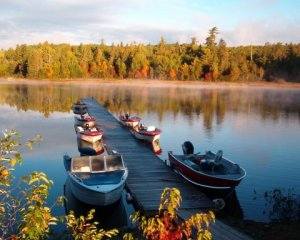
The attraction of northern Quebec keeps growing for anglers tired of pressured lakes and shoulder-to-shoulder boat traffic. Up past the last town, beyond a long stretch of logging road, sits water that sees almost no public use through the season. The fishing is different there. So does the quiet on those long evenings.
The Long Drive Becomes The Point
Bush-Road Access Filters The Crowd: A Quebec Northern Pike Outfitter operating in controlled-access territory tends to know exactly who is on the water each day. The bush road handles the gatekeeping part. Roughly 100 kilometres past the nearest community keeps casual traffic well away, and what remains is paying guests, their families, and water that rests properly overnight.
Three Species, One Naturally Reproducing Lake: A Quebec Sportfishing Outfitter built around walleye, northern pike, and lake trout in a single body of water is a less common setup than first-timers expect. No stocking trucks, no hatchery support, no annual top-ups. The fish reproduce on their own and have done so for generations on lakes that stay genuinely undisturbed.
Quiet Waters That Still Fish Hard
Why Pressure Matters For Trophy Potential: Pressure changes a fishery faster than most anglers realise. Lakes that see daily traffic from cottagers, day-trippers, and ice fishing produce smaller average fish over time. Protected waters keep fish’s maturity intact through proper catch and release practice, and a walleye allowed to grow through its slot years becomes the kind of fish dated photographs actually back up.
The Slot-Size Law Doing The Heavy Lifting: Quebec writes the rule rather than the lodge writing it. Walleye between 14.5 and 21 inches go back to the water, full stop. That single piece of legislation, enforced for over a decade now, is doing more work for trophy fishing than any honour-system catch policy posted in a cabin doorway ever could.
The Family Camp Side Of A Fishing Week
Where Spouses And Kids Fit In: Plenty of anglers who book July and August trips bring family along for the ride. The lake earns its keep as a vacation spot too. Sand-beach shore lunches, swimming off the dock, wildlife photography sessions at dusk, paddle outings on flat water, and a real chance of seeing moose drinking near the shoreline.
What A Typical Week Looks Like: Cabins sit on a peninsula with water on both sides of the building. Days run out on the water, evenings run slow on the dock. The boreal forest edges the lake almost everywhere a boat can drift. Coverage on satellite internet exists for guests who still need to check in with home occasionally.
Gear, Timing, And Setting Expectations
Packing For A Bush-Country Week: Guests planning a first trip tend to overpack tackle and underpack the basics that actually get used on a bush-country week. A short and practical list saves trouble at the border and on arrival, and it covers the items most often forgotten by people stepping into northern Quebec for the first time:
- Polarised glasses for spotting structure under glare
- Sleeping bag and bath towels for the cabin
- Rain shell and warm layers for early mornings
- Passport sorted before the border crossing
- Quebec fishing licence purchased in advance
- Camera with charger for dated catch photos
Best Windows On The Calendar: The angling pressure stays light from mid-May through to early October on this kind of water. July and August carry the family-friendly weather. June and September lean toward serious fishing weeks with cooler water and active feeding patterns. Each window has its own rhythm, and returning guests usually settle into a preferred slot.
Where The Long Drive Pays Off
A trip to controlled-access water in northern Quebec is not for everyone, and that suits the people who already go. The fish are there, the rules protect them, and the silence holds. The reservations page and the dated photo gallery sit ready for those keen to plan their week ahead.
Featured image source: https://ogascanan.com/camps/main_camp/lodge_scenery_b_sm.jpg