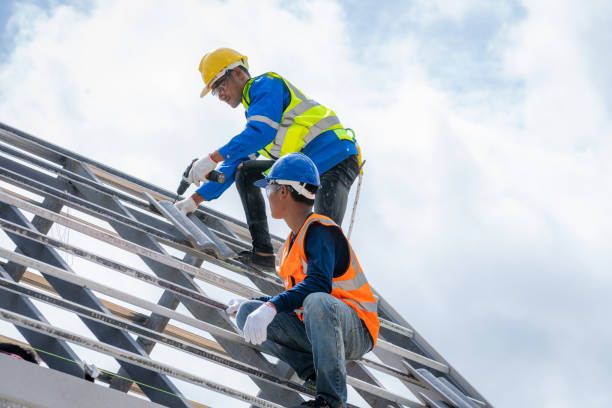
Every roof reaches a point where small fixes no longer make sense. Homeowners often struggle to determine whether a leak needs a simple patch up or signals deeper problems requiring complete replacement. This decision affects both immediate budgets and long-term property values, making it essential to understand the signs that demand professional evaluation.
Recognizing Early Warning Signs
Visible Damage Indicators: Los Angeles roofing professionals typically start inspections by examining shingles for curling, cracking, or missing pieces. Granules collecting in gutters suggest advanced wear, while dark streaks indicate algae growth that can compromise material integrity over time.
Interior Clues That Demand Action: Water stains on ceilings or walls often appear long after initial damage occurs. Homeowners should check attics for daylight penetrating through boards, moisture accumulation, or sagging deck boards that point to structural concerns beyond surface-level repairs.
Understanding Repair Versus Replacement Decisions
Cost Analysis Over Time: Minor repairs make financial sense when damage affects less than 30% of the roof surface. A patch job costing a few hundred dollars beats a full replacement, but repeated repairs within short timeframes often exceed replacement costs while leaving underlying problems unaddressed.
Age and Material Considerations: Asphalt shingles typically last 20 to 25 years in moderate climates. Roofs approaching this threshold benefit more from replacement than repairs, particularly when building codes have changed since original installation. Clay tiles and metal roofing systems offer longer lifespans but still require professional assessment when problems emerge.
How Professionals Evaluate Roof Condition
Comprehensive Inspection Methods: Licensed contractors examine flashing systems around chimneys, vents, and skylights where leaks commonly originate. They assess ventilation adequacy, check for proper drainage, and measure remaining material thickness to determine actual versus perceived lifespan. Thermal imaging can reveal hidden moisture trapped within roofing layers.
Documentation and Honest Recommendations: Reputable assessors provide detailed reports with photographs showing problem areas. They explain which issues pose immediate risks versus those that can wait, helping property owners prioritize spending. Written estimates should separate emergency repairs from preventive work and outline warranty coverage for materials and labor.
Weather and Environmental Impact Factors
Climate-Specific Challenges: Strong sun exposure accelerates shingle deterioration through UV damage and thermal cycling. Wind-driven rain tests seal integrity around penetrations, while temperature fluctuations cause expansion and contraction that loosen fasteners over time.
Tree Damage and Debris Accumulation:
- Overhanging branches scratch protective granules and drop leaves that trap moisture
- Falling limbs can puncture surfaces and damage underlying structures
- Root systems growing near foundations may cause settling that affects roof alignment
- Regular trimming prevents most vegetation-related problems before they start
Making the Replacement Decision
Financial Planning Considerations: Complete replacement represents a significant expense but adds measurable value to property resale potential. Homeowners should request multiple estimates, verify contractor licensing and insurance status, and understand payment schedules before signing contracts. Some situations qualify for insurance coverage when storm damage exceeds policy deductibles.
Timing Strategic Upgrades: Off-season scheduling often yields better pricing and faster completion times. Spring and fall provide ideal weather conditions for installation, though emergency situations require immediate attention regardless of season. Coordinating replacement with other exterior projects like siding or gutter work can reduce overall labor costs.
Protecting a home starts with recognizing when roof problems exceed simple fix capabilities. Property owners who schedule regular inspections, address minor issues promptly, and consult licensed professionals for major concerns avoid expensive emergency repairs and extend their roof’s functional life. Take action now by arranging a professional assessment to determine whether your roof needs minor attention or complete replacement.
Featured Image Source: https://media.gettyimages.com/id/1443489029/photo/technician-are-install-roof-of-new-house.jpg?s=612×612&w=0&k=20&c=hA5dt1MKzluxwtAxdm1B9b_n6XJkBzC173rBm2Fm5yE=