Opening that envelope with lab results rarely brings relief. The page is filled with chemical names and numbers that mean nothing when you just want to know if the water’s drinkable. Most people scan looking for “pass” stamped somewhere, but testing doesn’t work that way.
Common Test Results and What They Tell You
Coliform Bacteria: A positive result means contamination from runoff or soil has reached your water source, which happens more than you’d think with lake systems and wells drilled near septic beds. Cottage water filtration systems trap sediment and improve taste, it’s great, but it won’t kill organisms that make people sick. Bacteria need actual disinfection, not just filtering particles out though this filtration is necessary for safe drinking water too.
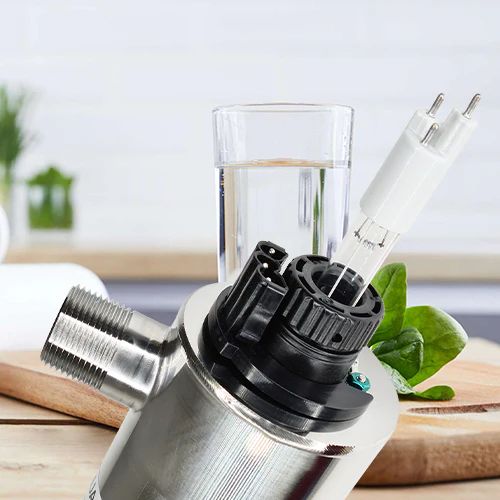
UV Disinfection: A UV water treatment system Canada certified unit gives reliable bacterial control without chlorine, changing how water tastes. Water is passed through a UV light emitter which alters the DNA of bacteria in such a way that they can no longer replicate or infect people. The UV light cannot reach the germs present in the water due to the darkness caused by the cloudy water, thus, pre-filtration becomes more important than the cottage owners had anticipated when they begin to compare prices.
Iron and Manganese: The orange streaks that are seen running down toilets and the black stains that are found on sinks are caused by the presence of iron and manganese in water, where the former is above 0.3 mg/L and the latter over 0.05 mg/L. These two metals remain in the groundwater unnoticed until they are pumped up and come into air contact, and then they are transformed into rust deposits that stain everything in their way. If these metals are not removed for a long time, they will become restricted in pressure tanks and also ruin water heaters.
Hardness and Its Impact
Mineral Content: Hardness measures dissolved calcium and magnesium, shown as parts per million on your sheet. Above 120 mg/L causes problems fast:
- Scale chokes water heaters and eventually kills them
- Soap won’t lather right, leaving skin feeling weird after washing
- Spots cover glassware no matter how you rinse
- Laundry comes out stiff instead of soft
Hard water won’t hurt anyone, but it quietly damages appliances and makes every cleaning job harder than it needs to be.
Water Softeners: Water softeners exchange calcium and magnesium ions for sodium ions, thereby preventing scale from forming in the first place. Seasonal cottages require such equipment that can remain completely inactive throughout the winter without contaminating the system and then spring cleaning when the warm weather finally arrives. Size it based on your real water use and actual hardness test numbers, not rough guesses about how many people show up on long weekends.
Tannins and Organic Matter
Discoloured Water: Tannins seeping from rotting vegetation turn water that distinctive tea colour and stain white laundry a dingy yellow-brown that won’t wash out. Labs might call this colour units or organic content depending on who runs your test. Regular sediment filters can’t touch tannins because they’re dissolved, not floating particles.
Tannin Treatment: Removing them needs anion exchange media or special carbon for organics. Some tanks stack different media in one unit. Test tannin levels before buying equipment since treatment changes based on how bad the colour runs.
Putting It All Together
Multiple Stages: Mainly, water problems in cottages come to need a series of treatments working together and not a single piece of equipment solving everything at once. The most common process includes running sediment filters first to trap the visible contaminations, then iron filters or mineral softeners, carbon for taste and odor, and finally UV disinfection for killing bacteria.
Maintenance Reality: Treatment equipment only does its job when it’s actually maintained on schedule. UV lamps fade after roughly 9,000 hours and need yearly replacement even when they still glow bright. Filters clog up and need changing based on water quality and how much gets used. Iron systems burn through salt during regeneration cycles. Skip maintenance, and systems quit protecting water even though taps still flow.
Test results guide treatment choices instead of causing panic. Each finding points toward gear solving real problems in your cottage water. Professional help interpreting numbers and sizing systems correctly prevents buying wrong equipment. Contact a water treatment specialist to review results and build a plan matching your water source and how you actually use the cottage.
Featured Image Source: https://wahlwater.com/cdn/shop/collections/Best-UV-Systems-2025-R1-Canada-Education-Jeff-Wahl.png?v=1754624699&width=625