Most people turn the tap without a second thought. That simple twist happens maybe thirty or forty times daily, and hardly anyone wonders what’s flowing through those hidden pipes. Reality arrives when the laundry emerges stained orange, when favourite towels won’t come clean despite the use of extra bleach. Or when visitors arrive and someone diplomatically requests bottled water after smelling what’s coming from the kitchen tap. These aren’t minor issues. They signal contamination spreading through the plumbing and affecting everyone depending on that water supply.
Understanding Water Quality Solutions
- The Role of Water Treatment Systems: Water treatment systems handle problems at various points throughout a property’s plumbing network. Sediment gets trapped before jamming aerators and blocking showerheads. Chemicals that eat away copper pipes get removed early. Bacteria causing illness get killed before reaching fixtures. A system installed at the main line protects everything downstream, which explains why treated homes often see water heaters lasting a full decade longer than untreated ones, sometimes more depending on local conditions.
- Home Filtration Options Explained: A drinking water filter system for home varies considerably based on needs and budgets. Basic pitcher models sit on counters handling chlorine and improving taste, solving complaints about water tasting like pools. Advanced systems remove lead found in older areas, pesticide traces, pharmaceutical residues that plants weren’t designed to catch.
Comparing Treatment Approaches
- DIY Solutions and Limitations: Pitcher filters appeal to budget-conscious families, and that initial price seems reasonable. These filters catch larger particles and reduce chlorine taste reminding everyone of public swimming pools. Smaller contaminants pass straight through, though, and filter replacement schedules get forgotten until water tastes off again.
- Total dissolved solids stay put because carbon filters can’t capture dissolved minerals. Taste improves temporarily, but substances keep corroding pipes and depositing scales on appliances that fail years early.
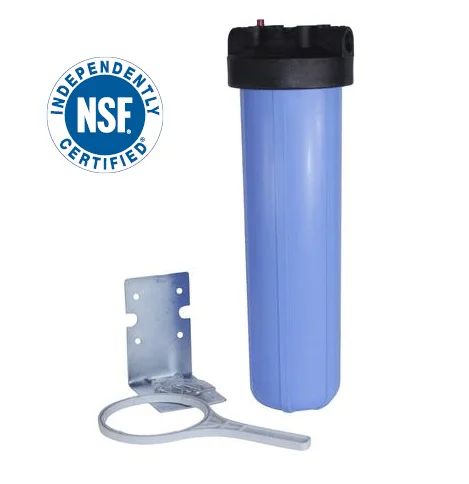
- Comprehensive Home Systems: Whole-house systems work differently by treating all incoming water simultaneously. Installation on the main line means filtered water reaches every tap automatically without tracking which fixtures have filters. System sizing matters considerably since undersized units struggle when multiple showers run during rushed mornings.
Financial Protection Through Prevention
- Avoiding Costly Repairs: Hard water destroys appliances in ways families miss until too late. Water heaters accumulate sediment layers killing efficiency and spiking energy bills before tanks leak. Dishwashers develop scale on heating elements and quit, something technicians encounter weekly.
- Copper pipes corrode gradually, starting with tiny drips that seem manageable. Then entire sections need replacing and bills shock homeowners who ignored small leaks. Proper filtration prevents this cascade, saving money for literally anything besides emergency plumber visits.
- Health Cost Considerations: Contaminated water hits vulnerable members hardest, especially children whose developing bodies struggle with contaminants adults tolerate. Brief stomach troubles from bad water sometimes mask repeated exposure causing problems surfacing years later. Medical expenses from these conditions exceed filtration costs rapidly, particularly when treatment becomes ongoing.
Long-Term Value Assessment
Investment Returns Over Time: Quality systems function 15 to 20 years with basic maintenance. Purchase costs spread across decades of use, making yearly expenses quite reasonable against alternatives. Annual filter changes cost less than bottled water for drinking and cooking alone.
Property values reflect installed systems since buyers recognise protection and prefer homes with equipment over comparable properties without. Here’s what proper filtration provides over time:
- Appliances lasting their full expected lifespan instead of failing early from mineral damage
- Lower energy bills because water heaters maintain efficiency without sediment buildup
- Reduced plumbing repairs since corrosion gets prevented before pipes develop leaks
- Better tasting water that encourages family hydration without buying endless plastic bottles
Peace of Mind Benefits: Safe water changes household routines in subtle but meaningful ways. Children request refills without parents mentally calculating contamination risks. Serving guests tap water stops being awkward moments requiring explanations about smell or taste.
Background anxiety about water safety simply fades, improving daily life in ways financial calculations can’t measure properly, though everyone notices the difference clearly.
Clean water protects beyond immediate health concerns. It shields families from contamination accumulating over months and years, preserves expensive infrastructure costing serious money replacing, and prevents financial stress from discovering damage once problems become severe. Testing water now and researching treatment options suits household situations better than waiting to find contamination after damage occurs and repair bills arrive.
Featured Image Source: https://www.thewaterguysnorth.com/wp-content/uploads/2025/03/AquaFlo-BB-20-NSF.png