Ever wondered why some people breeze through a four-hour tattoo session looking oddly relaxed? They’re not superhuman. Most of them are using numbing cream, and they’re smart for it. Pain doesn’t prove anything except that you’re capable of feeling pain, which isn’t exactly groundbreaking.
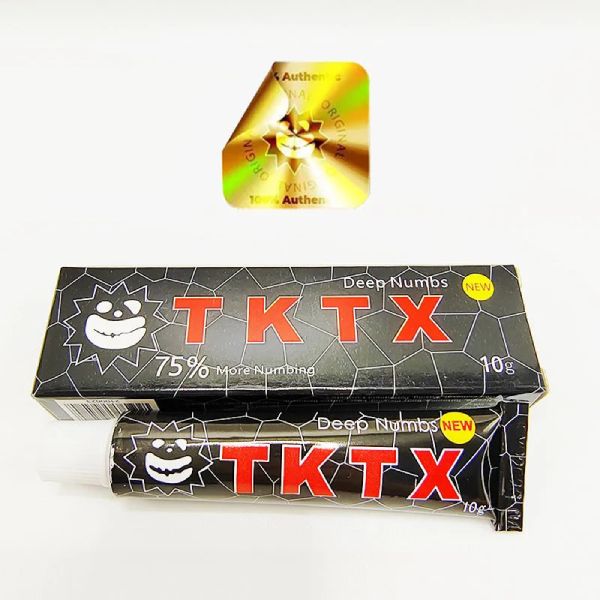
Numbing Cream Reduces Session Anxiety: Numbing cream works by temporarily blocking nerve signals in the skin, giving clients a much-needed break from constant needle pricks. TKTX Australia is a topical anaesthetic containing active ingredients like lidocaine that dull sensation for several hours. This means less wincing, fewer breaks, and a smoother experience for everyone involved in the session.
Comfort Doesn’t Compromise Ink Quality: Some people worry that numbing products might affect how ink sets or how the skin reacts during tattooing. The truth is, when applied correctly, numbing cream only affects pain receptors. It doesn’t change skin texture or prevent proper ink absorption. Artists can work at their usual pace without clients shifting around or tensing up constantly.
Why Artists Actually Prefer Calm Clients
Reduced Movement Means Cleaner Lines: When someone’s in pain, they tense up. Muscles contract, skin shifts, and breathing becomes irregular. This makes precision work nearly impossible. A client using numbing cream stays relaxed, which means the artist can focus on creating clean, consistent lines without constantly adjusting for unexpected movements or flinching.
Longer Sessions Become Possible: Big pieces require time. Back pieces, full sleeves, and detailed chest work can’t be rushed. Without numbing cream, most people tap out after two hours. With it, sessions can stretch to four or five hours, which means fewer appointments and faster project completion. Artists can maintain their creative flow instead of stopping every hour for extended breaks.
Application Timing Matters More Than You Think
Apply Early for Maximum Effect: Numbing cream needs about 30 to 60 minutes to work properly. Slapping it on five minutes before the needle touches skin won’t do much. The active ingredients need time to penetrate through the epidermis and reach the nerve endings beneath. Proper timing makes the difference between mild relief and genuine comfort during the session.
Reapplication Keeps Coverage Consistent: During longer sessions, the numbing effect can wear off in certain areas. Artists often pause to let clients reapply cream to sections that are starting to feel sensitive again. This keeps the entire session manageable rather than having the last hour turn into an endurance test that nobody signed up for.
What Clients Should Know Before Using Cream
Patch Testing Prevents Nasty Surprises: Not everyone’s skin reacts the same way to topical anaesthetics. Testing a small amount on your inner arm 24 hours before your appointment reveals any potential allergic reactions or irritation. Better to discover sensitivity issues at home than halfway through a tattoo session when it’s too late to turn back.
Clean Skin Absorbs Better: Oil, moisturiser, and dirt create barriers that prevent numbing cream from working effectively. Washing the area thoroughly with soap and water before application ensures the product can actually do its job. Some people skip this step and then wonder why the cream didn’t work as expected during their appointment.
- Apply cream in a thick, even layer across the entire area being tattooed.
- Cover with cling film to prevent evaporation and improve absorption.
- Leave on for the recommended time without touching or rubbing the area.
- Wipe clean before the artist begins working on your skin.
Numbing cream doesn’t make you weak. It makes you practical. Artists appreciate clients who can sit still, and finished tattoos look better when nobody’s fighting through unnecessary discomfort for hours. If you’re planning a large piece or know you have low pain tolerance, consider using a quality numbing product. Research application methods, test for allergies, and talk to your artist about timing. Your next session might be the calm, focused experience you’ve been hoping for instead of something you just survive.
Featured Image Source: https://www.numbingcream.com.au/cdn/shop/files/IMG-20231201-WA0007-900x_1024x1024@2x.jpg?v=1705194986