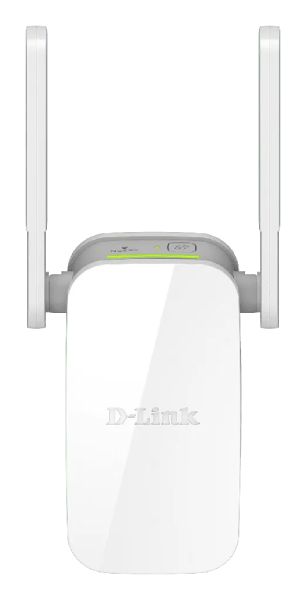
Kenyan businesses and homes need reliable tech accessories like routers and hard disks. Prices vary widely across models, making informed choices tricky. Understanding what each device does helps you spend wisely on technology that actually works for your needs.
Buying technology accessories in Kenya can feel overwhelming. Walk into any electronics shop and you’ll face dozens of options, each claiming to be the best choice for your money. The real challenge isn’t just finding products, but understanding which ones solve your actual problems without breaking your budget.
Understanding Your Connectivity Needs
Router Price in Kenya Varies by Performance Level: The router price in Kenya ranges from KSh 1,500 for basic home models to KSh 25,000 for advanced business units. This gap exists because routers serve different purposes. A small household streaming videos needs less power than an office running multiple computers and phones. Cheaper routers often struggle with more than five connected devices, leading to dropped connections and frustration that costs more in lost productivity than the initial savings.
Hard Disk Price in Kenya Depends on Capacity and Type: The hard disk price in Kenya starts around KSh 4,000 for 500GB drives and climbs to KSh 15,000 for multi-terabyte options. Your choice depends on what you’re storing. Photographers need massive space for raw image files. Small businesses require reliable backup for customer records and financial data. External drives offer flexibility for those who move between locations, perhaps carrying work between home and office without cloud dependency.
Making Sense of Technical Specifications
Processing Speed and Network Performance: Routers advertise speeds like 300Mbps or 1200Mbps, but these numbers mean little without context. Your internet package from Safaricom or Zuku determines actual speeds. A 300Mbps router handles most home internet plans perfectly well. Offices with fibre optic connections above 50Mbps benefit from faster routers that prevent bottlenecks when everyone’s online during peak hours.
Storage Capacity Versus Actual Space: A 1TB hard disk doesn’t give you exactly 1TB of usable space. Formatting reduces this to around 930GB. Think about your growth over the next two years. Documents accumulate slowly, but video files and design work eat storage fast. Buying slightly more capacity than you need today saves money compared to replacing drives annually.
Common Mistakes When Shopping
Choosing Based on Price Alone: The cheapest option often becomes expensive when it fails within months. Budget routers use inferior components that overheat in Kenyan temperatures. They drop connections during important video calls or when you’re uploading time-sensitive work. Similarly, knock-off hard disks might work initially but lack the durability that protects your data when power fluctuates, which happens frequently in many Kenyan neighbourhoods.
Ignoring Warranty and Support: Technical problems happen. Routers develop firmware issues. Hard disks develop bad sectors. Products sold through proper channels come with warranties that cover replacements. Grey market devices might save KSh 500 upfront but leave you stranded when problems emerge. Check what support looks like before buying, because that matters more than most specifications listed on the box.
Practical Buying Strategies
Understanding Your Environment and Usage: Consider your environment when selecting routers. Concrete walls in apartments weaken signals more than wood partitions. Multi-storey buildings might need mesh networking systems or range extenders. For hard disks, think about portability versus security. Desktop drives sit safely on desks but can’t travel. Portable drives fit pockets but face more physical risks from drops and bumps.
Key Factors for Smart Purchases: Making the right choice requires evaluating several factors beyond initial price tags. Your usage patterns reveal what features matter most for your specific situation.
- Evaluate your actual usage patterns: Count devices that connect simultaneously to determine router capacity needed.
- Calculate your storage growth rate: Review how much data you’ve created in the past six months, then double it for future planning.
- Research brand reliability: Some manufacturers have better track records in tropical climates with inconsistent power.
- Compare total costs: Factor in potential replacements, technical support availability, and energy consumption over the product’s lifespan.
Balancing Features Within the Budget
Quality Components Make the Difference: Higher-priced routers often include better antennas and network security features that protect your data from external threats. They handle heat better and maintain stable connections even when multiple family members or employees use bandwidth-heavy applications. For hard disks, solid state drives cost more but offer faster performance and better shock resistance than traditional mechanical drives, which might be worth considering if speed matters for your work.
Smart technology purchases balance immediate costs against long-term value. Routers and hard disks form the backbone of modern work and home life in Kenya. Spending slightly more on reliable devices saves money through fewer replacements and less downtime. Research specifications that match your actual needs rather than marketing claims. Visit trusted suppliers who offer genuine products with proper warranties. Your technology should work for you, not create additional problems that waste time and money you could invest elsewhere in growing your business or improving your home setup.
Featured Image Source: https://www.dataworld.co.ke/wp-content/uploads/2025/06/D-Link-AC1200-Dual-Band-Wi-Fi-5-Range-Extender-DAP-1610-1.png