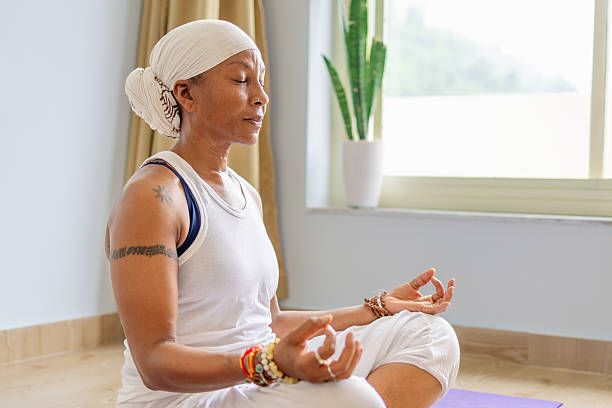
Burnout drains the body of energy and clouds the mind. Combining meditation with a wellness retreat creates a powerful path to restoring balance, releasing stress, and reconnecting with your inner peace through structured healing.
Modern life pushes people to their limits. Deadlines pile up, responsibilities multiply, and rest becomes a luxury few can afford. The body and mind eventually send signals that something needs to change.
Burnout may arrive quietly at first, but then builds, demanding attention through exhaustion and anxiety, taking away from what truly matters.
Understanding the Path to Recovery
Meditation for stress relief offers a way to pause and reset. Sitting in stillness allows the nervous system to calm down. The racing thoughts begin to slow. Breathing deepens, tension releases from tight shoulders and clenched jaws. This ancient practice doesn’t require perfection or hours of commitment. Even five minutes can shift the internal landscape from chaos to clarity.
A Structured Healing Environment
A mental wellness retreat provides a dedicated space away from daily triggers. These sanctuaries remove distractions that fuel burnout. Surrounded by nature and guided practices, participants can focus entirely on healing. The retreat structure supports those who struggle to maintain practices at home. Professional guidance helps navigate the emotional releases that often accompany deep rest.
Why Meditation and Retreats Create Lasting Change
Meditation taught in a retreat setting sticks better than solo attempts. Teachers offer personalized adjustments to techniques. Group energy reinforces commitment when motivation wavers.
Perhaps most importantly, retreats demonstrate that prioritizing wellbeing isn’t selfish. Participants learn to carry these lessons back into regular life, creating boundaries that protect their renewed sense of peace.
Physical and Mental Restoration
he combination addresses burnout on multiple levels. Meditation calms the overactive mind that replays worries endlessly. Nature walks and mindful movement release stored tension from the body. Nutritious meals support cellular recovery. Quality sleep, often th
e first casualty of burnout, returns naturally when stress hormones decrease. This holistic approach recognizes that true healing requires attention to the whole person.
Key Elements That Support Recovery
Effective retreats share common elements that accelerate healing, including:
- Disconnection from technology and work communications allows the mind to truly rest
- Daily meditation sessions build skills that become lifelong tools for managing stress
- Nature immersion provides sensory experiences that ground and soothe the nervous system
- Community support reminds participants they’re not alone in their struggles
Integration After the Retreat
The real work begins when daily life resumes. Burnout recovery requires ongoing commitment to the practices learned during retreat time. Setting aside ten minutes each morning for meditation creates consistency.
Returning to nature regularly, even in small doses, maintains connection to that peaceful state. Joining a meditation group provides accountability and continued support from others on a similar journey.
Take the First Step to Oneness
Burnout doesn’t resolve overnight, but the path to balance becomes clear when meditation and retreat experiences work together. These practices offer more than temporary relief. They teach skills for recognizing early warning signs before exhaustion takes over completely. The journey from depletion to vitality starts with one intentional choice to prioritize inner peace.
Take the first step today by exploring meditation practices or researching retreats that align with your healing needs.
Featured Image Source: https://media.gettyimages.com/id/2233449135/photo/woman-meditating-in-lotus-pose.jpg?s=612×612&w=0&k=20&c=xFv6F2fbYM29tRHPkMDdvJLrB8aGpiZ-AFkTaGNfCrA=