There’s something about Machu Picchu that pulls people in. Maybe it’s the photos circulating for decades or the stories from friends who came back changed. Whatever it is, the dream sits quietly until you finally decide to go. When that day comes, the questions get real: which route, what level of fitness, and who do you trust with this trip?
More Than Just a Walk: The Real Weight of This Decision
Why the Route You Pick Changes Everything: Planning a Peru Machu Picchu hike means making a real decision from day one. Routes range from train-assisted day trips to multi-day treks through cloud forest and ancient stone passes. Each option brings a different kind of trip, and the wrong choice can easily turn a dream into a draining or forgettable experience. The route matters more than most people expect.
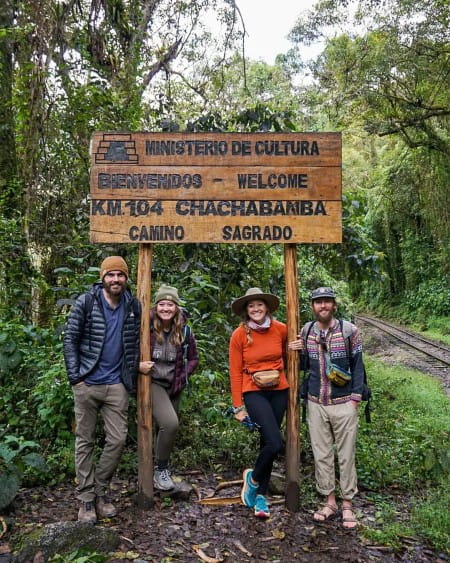
What Makes This Particular Trek So Different: The Inca Trail to Machu Picchu is not just a hike. It is a four-day walk through ecosystems that shift from high-altitude grassland to dense cloud forest, past ruins that most tourists will never reach by bus. Permits sell out months in advance, which means timing is everything. Book too late and the classic route simply is not available.
Your Body Will Tell You the Truth Before the Trail Does
Getting Your Body Ready for High-Altitude Conditions: Altitude acclimatization is something most travelers underestimate. Cusco sits at over 11,000 feet, and the trail climbs higher on its second day. Spending two to three days in Cusco before the trek gives your body time to adjust. Skipping this step is one of the most common mistakes, and it can stop even a fit hiker before reaching the Sun Gate.
What to Pack and What to Leave Behind: Packing for this trek is a balance between preparation and weight. Trekkers carry a personal daypack with layers, rain gear, snacks, and water. Porters handle the heavier camping gear on most organized treks, which keeps the load manageable. Knowing what to leave at camp, heavy bottles, extra clothing, and bulky items, matters as much as knowing what to bring along.
The Work You Put In Before the Trail Starts
Building the Stamina to Handle the Climb: Aerobic base training in the months before the trip makes a visible difference on the trail. A consistent routine of hiking, running, or cycling builds the cardiovascular endurance needed for multi-day trekking at elevation. Most guides recommend starting at least eight weeks out. Showing up undertrained is a risk that ruins the experience, and it happens far more often than people admit.
What Travelers Often Miss in Pre-Trek Planning: Several key steps get skipped when people plan on their own. These gaps often only surface mid-trail, when it is too late to correct them.
- Booking permits months in advance, not weeks
- Scheduling rest days in Cusco before the trek begins
- Consulting a doctor about altitude medication
- Choosing a guide who matches the group’s pace
- Checking seasonal trail conditions before finalizing dates
Why the Company Behind the Trek Matters as Much as the Trail
Guide Expertise and Safety on High-Altitude Terrain: A knowledgeable guide does more than point out ruins. On high-altitude terrain, a skilled local guide monitors the group’s condition, adjusts the pace when someone struggles, and handles unexpected changes calmly. Travelers who book with established local operators describe a different kind of confidence on the trail. That kind of support shifts the entire experience in ways no guidebook can replicate.
Customized Logistics That Remove the Guesswork: One thing that separates a good operator from a great one is the planning that happens before departure. Permit logistics, transport between sites, hotel tiers, and rest day scheduling all need to work together. When an expert team handles those details, travelers arrive at each checkpoint without stress. The trip stays focused on the experience, not the logistics behind it.
The View From the Sun Gate Is Worth Every Step
The moment Machu Picchu comes into view through the Sun Gate, every hard step makes complete sense. For anyone ready to move from planning to booking, the first step is connecting with a local expert team. Send a message on WhatsApp, share your travel dates and group size, and get a customized itinerary built around your fitness and goals.
Featured Image Source: https://altitude-peru.com/wp-content/uploads/2024/10/2-day-Inca-Trail-trek.jpg