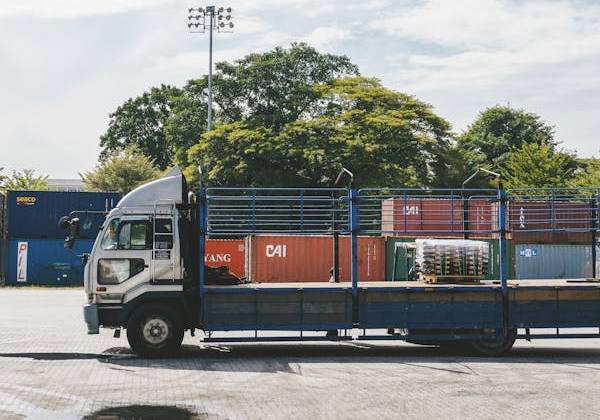
If you want to take up a career as an HGV (Heavy Goods Vehicle) driver, consider the amount you must spend on training. This indeed, calls for an investment that will ensure a properly-paid and stable job opportunity. Before you dive into the basics, it is necessary to hash out the actual costs involved, the scope for funding for the same, and ways in which you can maximize value from your training.
The Actual HGV Training Costs
The cost of the HGV training varies immensely based on several factors, including your particular training provider and the type of license you want to obtain. Get to know the estimate of the kind of training costs you can expect before you join HGV licence training:
- HGV Category C (Class 2) License: £1,500 – £2,500
- HGV Category C+E (Class 1) License: £2,000 – £3,500
- Medical Examination: £50 – £120
- Theory and Practical Tests: £100 – £300
- CPC Qualifications: £200 – £500
The overall cost can range from £2000 to £5000, depending on the route you take and the city you are situated in. Some providers offer all this in one package deal, while others charge separately for different services.
Hidden Costs You Might Overlook
In addition to those apparent costs for your training program, other costs can creep up:
- Accommodation & Travel: If you live far from the training centre, you may need some extra budget for accommodation and travel.
- Retesting Fee: If you have not passed a particular exam, students frequently pay further to retake that examination.
- Time Off Work: If you switch careers, additional consideration should be given to income lost while training.
- Additional Training Modules: Some job opportunities may require further certifications like ADR to carry hazardous goods.
Funding Options and Financial Assistance
The good part? You do not always have to pay from your pocket. The following ways are here to help reduce the financial strains:
- Government Grants & Schemes: The UK occasionally runs schemes that help by covering training costs, especially during driver shortages.
- Employer Sponsorship: Certain employers will pay for training in exchange for a work commitment.
- Apprenticeships: If you are a novice in the industry, they are like a regular form of employment, where you can get paid while being trained.
- Finance & Payment Plans: In today’s world, people have several options to either pay the full amount at once or spread the cost over time.
- Job Centre Support: If unemployed, you may qualify for government funding through job seeker programs.
How to Get the Best Value for Your Money
Due to training being generally expensive, it is essential to extract maximum value. Here is a little advice:
- Compare Training Providers: The first consideration should not be alone; prices, reviews, and what is included in the package should also be compared.
- Look for Pass Rates: High pass rates schools can save money on retakes once you get your training.
- Look for Discounts: Many training schools offer off-season promotions or group training discounts.
- Select a Reputable School: A cheap school is not always best. You have to be very careful—it has to be accredited and home to very high-quality trainers.
Conclusion
Though HGV training costs appear frightening, they are an investment that pays dividends in the future. Training sets one on the threshold of good-paying career demand, making the initial expenses bearable. Thus, with good financial planning, prospective funding avenues, and selecting the right training provider, one can easily navigate the costs and fly toward a successful driving career.
Featured Image Source: https://images.pexels.com/photos/18928135/pexels-photo-18928135/free-photo-of-truck-with-empty-trailer.jpeg?auto=compress&cs=tinysrgb&w=600