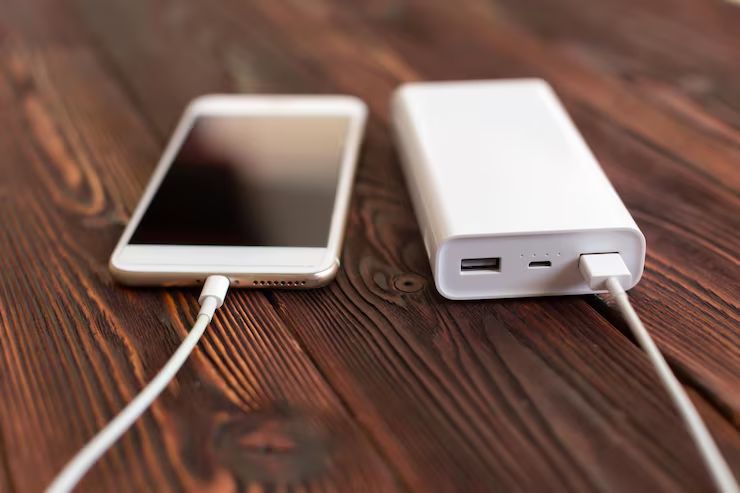
Your phone dies at the worst possible moment. You’re stuck in traffic, no charger in sight, and that important call just went to voicemail. Frustrating, right?
A power bank solves this. But walk into any shop in Nairobi or browse online, and you’ll see dozens of options. Some look identical but the powerbank price in Kenya varies wildly. How do you know which one actually works for your needs without wasting money?
Understanding Capacity and Your Daily Needs
Start with capacity. This is measured in milliampere-hours (mAh). A higher number means more charges before the powerbank itself needs plugging in. Think about how you use your phone. If you’re always on WhatsApp, streaming videos, or using GPS, you drain your battery faster than someone who just makes calls.
Most people do fine with something mid-range. Too small, and you’re charging it constantly. Too large, and you’re carrying around a brick that costs more than necessary. Match the capacity to your actual daily usage, not what sounds impressive.
Charging Speed Matters
Next comes charging speed. Some power banks take forever to fill up your phone. Others do it quickly but might cost a bit more. Fast charging matters if you’re always rushing between meetings or appointments. If you charge overnight at home anyway, standard speed works fine.
Build Quality and Safety Features
Build quality separates the good from the rubbish. Cheap power banks sometimes swell up, overheat, or just stop working after a few weeks. You don’t need the most expensive one, but avoiding the absolute cheapest usually saves headaches later. Check if it has basic safety features like overcharge protection.
Port Options and Connectivity
Port options matter too. Do you only charge one device, or do you need to top up your phone and earbuds at the same time? Multiple ports add convenience but also add to the cost. Be honest about whether you’ll actually use them.
Brand Reputation and Reviews
Brand reputation helps. Some names are trusted because they consistently deliver. Others are hit or miss. Read reviews from other Kenyan buyers if you can. Real experiences tell you more than fancy packaging.
Size and Portability
Weight and size might seem minor until you’re carrying it daily. A massive power bank with incredible capacity doesn’t help if you leave it at home because it’s too bulky for your bag.
Making the Right Choice for Your Budget
Here’s the thing: the “best” powerbank depends entirely on your situation. A student who’s out all day needs something different from someone who works from home with frequent power cuts. Your budget should align with how much you’ll actually rely on it.
Don’t buy more capacity than you need just because it sounds better. Don’t skip essential safety features to save a few shillings. Find the middle ground where you get reliable performance without paying for features you won’t use.
Power cuts happen. Phones die. But with the right powerbank, you stay connected when it counts.
Featured Image Source: https://img.freepik.com/free-photo/powerbank-cellphone-wooden-table_93675-128978.jpg?semt=ais_hybrid&w=740&q=80