The digital era, which is an AI-dominated world, provides comfort, and at the same time, it leads to some worse trends that keep developing. The online market is overrun by counterfeit and imitation goods as well as AI-generated designs that pretend to be cheap imitations of original pieces and thus irresistible offers. However, these copies are without spirit, and that human factor you feel in the legitimate artisanship is gone.
Understanding Authentic Craftsmanship
The True Cost of Quality: Native American Art represents generations of inherited knowledge and meticulous handiwork embedded in every stitch or pattern. Each piece takes hours to complete using techniques passed down through families. The price reflects fair compensation for artists’ time and expertise.
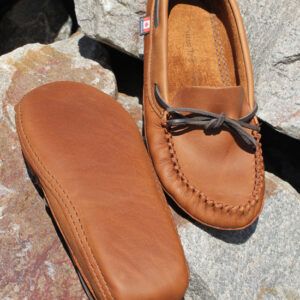
Recognising Real Craftsmanship: Native American Moccasins showcase the difference between authentic and fake better than most items. Genuine pairs feature hand-stitched leather with slight imperfections, carefully placed beadwork following traditional patterns, and construction methods ensuring durability for years instead of months. Factory versions just don’t compare.
The Digital Threat to Cultural Heritage
AI’s Cultural Blindness: Artificial intelligence can copy visual patterns, but it cannot understand the spiritual significance behind specific designs. Many Indigenous designs carry sacred meanings, with patterns restricted to ceremonies or family lineages. AI-generated copies strip away all that context, turning sacred symbols into meaningless decoration that genuinely offends communities.
Economic Impact on Artists: When cheap replicas saturate markets, real artists struggle competing on price alone, which creates problems nobody talks about. Buyers cannot distinguish between authentic pieces and imitations most times, so they choose based on cost instead of actual value. This forces real artisans out of trades, breaking knowledge transfer between generations. Without income, fewer young people learn traditional crafts.
What Makes Handmade Worth the Investment
Key markers help identify genuine pieces versus exploitative imitations:
- Artist Attribution: Authentic items include information about the creator, tribal affiliation, and often a signature verifying authenticity.
- Material Verification: Real pieces use natural materials with visible craftsmanship signs like hand-stitching irregularities proving human creation.
- Cultural Context: Reputable sellers provide background about design significance, respecting protocols and avoiding sacred patterns.
- Pricing Reality: Extremely low prices signal mass production, as genuine handwork requires fair compensation reflecting time invested.
Supporting Communities Directly: When you buy authentic art, your money supports entire communities. Artists reinvest earnings into families, funding education and healthcare. They purchase materials from other Indigenous suppliers, creating economic networks strengthening tribal economies beyond one transaction.
Preserving Skills for Future Generations
Research Before Purchase: Take time to verify seller credentials and understand cultural context behind pieces. Legitimate businesses share relationships with artists, providing transparency about sourcing methods. Vague descriptions should raise concerns about authenticity.
Value Quality Over Quantity: Shifting from collecting lots of cheap items to investing in fewer authentic pieces changes market dynamics in ways that matter long-term. When consumers demand real craftsmanship and pay fair prices, they signal that cultural heritage deserves respect beyond empty words. This behaviour combats the pricing practices harming artists and their communities directly.
The decision made between original Indigenous artwork and their mass-produced imitations is not only a matter of taste and money but also has implications for the very existence of the traditions, the artists’ lives and ultimately the whole cultural knowledge gradually passing on to the next generation. Even the best algorithms can never capture the story and the importance of the creator’s spirit, which are part of the handmade pieces.
Decisions on the acquisition of authentic pieces from Indigenous artists or companies with good reputation are an act of cultural preservation. The selection of authenticity, backing the true artists, purchasing Native American Art, and allowing the display of these practices and the likes of them are all good ways to keep the traditions alive.
Featured Image Source: https://wolfden.ca/wp-content/uploads/2025/07/Untitled-8-3-300×300.jpg