A corn on the foot is easy to brush aside. Perhaps it causes occasional discomfort, and a cushioned insole seems like enough of a fix. But that small, hardened patch of skin often reflects a deeper pattern of friction and pressure. Over time, untreated corns can quietly shift how a person walks, stands, and distributes body weight.
What Foot Corns Are Really Telling You
Dismissing the Warning Signs: Foot corns do not simply sit on the surface. They press into the deeper skin layers with each step, and the pain compounds gradually over time. People searching for corn treatment Houston are often surprised to learn how far the damage has progressed by the time they finally seek professional podiatric care and evaluation.
The Real Cost of Waiting: Corns left untreated long enough often trigger secondary problems. The skin underneath can break down, creating entry points for bacteria and persistent soreness. Consulting a specialist for treatment in the early stages avoids this cycle entirely and helps identify the root cause before it progresses into chronic pain or more serious structural foot changes.
The Hidden Damage Corns Leave Behind
Why Skin Hardening Goes Deeper Than It Looks: The thickened skin that forms a corn is the body’s response to repeated, unresolved pressure. This condition, known as hyperkeratosis, signals that the soft tissue beneath is under ongoing stress. Without treatment, that pressure gradually redistributes to surrounding joints and tendons, spreading discomfort beyond the corn site and compromising overall foot function.
How Gait Adjustments Become a New Problem: When foot corns cause consistent pain, people instinctively change how they walk to avoid pressing on the sore area. That adjustment may seem reasonable at first, but over weeks and months, it places escalating strain on the ankles, knees, and hips. What began as a small corn slowly becomes a driving factor in wider musculoskeletal discomfort.
Steps That Actually Target the Source
What a Proper Evaluation Covers: A podiatrist uses a plantar pressure assessment to map how force is distributed across the foot during movement. This reveals the exact areas under excessive load, giving the provider a clear starting point for treatment. Without this information, corn removal addresses only the symptom while leaving the underlying cause of recurrence entirely unresolved.
Effective treatment options for foot corns typically include:
- Custom orthotics designed to shift pressure away from high-friction areas
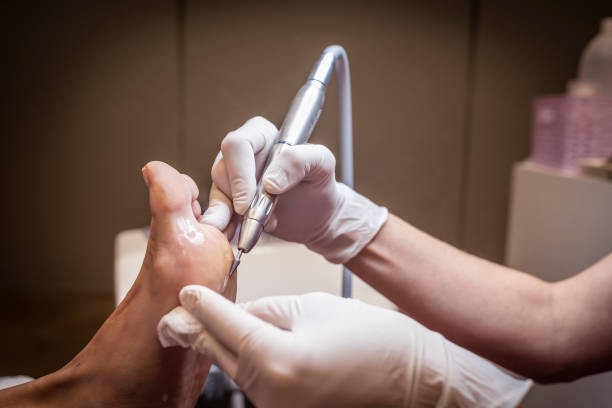
- Professional debridement to remove hardened skin without damaging healthy tissue
- Targeted footwear guidance to eliminate the primary source of friction
- Padding techniques to protect affected areas between treatment sessions
Why the Approach Behind Treatment Matters: Removing a corn without addressing what caused it rarely produces lasting results. A structured treatment plan accounts for the individual’s foot shape, walking pattern, and daily activity level. This makes a noticeable difference in how quickly discomfort resolves and how long that improvement holds without repeated visits.
When Waiting Becomes the Bigger Risk
Taking the Step Toward Lasting Foot Comfort: Foot corns rarely clear up without proper care, and the longer they go unaddressed, the more layered the problem becomes. A podiatric consultation provides a clear diagnosis, a targeted approach to treatment, and practical steps to prevent recurrence. Scheduling an evaluation is the most direct path toward stable, pain-free, and lasting foot health.
Featured Image Source: https://media.gettyimages.com/id/1299252062/photo/podiatry-specialist-in-white-gloves-cleaning-skin-of-client-from-callus-and-corn-with.jpg?s=612×612&w=0&k=20&c=6r1lobTEK3RH1xwL08z63jiipimGPG2vDimCErQu3Jk=