Summary: Small home repairs often get pushed aside until they become serious problems. A dripping faucet or loose outlet seems harmless at first, but these minor issues can create dangerous conditions that could threaten your family’s safety and your home’s structural integrity.
Most homeowners don’t think twice about a slow drip under the kitchen sink or a slightly warm outlet cover. Life gets busy. The problem seems small, and you tell yourself you’ll call someone next week, but next week turns into next month. That’s when things start getting risky. What starts as a simple fix can spiral into a situation that puts your family in danger and costs thousands to repair.
How Water and Electricity Create Hidden Dangers
When Moisture Meets Wiring: A leaking pipe near your home’s wiring creates one of the most dangerous combinations possible. Water finds its way through walls and ceilings, traveling along the path of least resistance. It pools in places you can’t see, right where electrical connections run. The moisture doesn’t need to be visible to cause problems. Even high humidity from a persistent leak changes how electricity behaves in your walls.
Panel Exposure Risks: Your electrical panel sits as the nerve center of your home’s power system, and it’s often located in areas where plumbing runs nearby. A small leak from a bathroom above or a water heater in the same utility room can drip onto the panel box. The water seeps into the connections where breakers attach to the bus bars. These wet connections heat up when you run your air conditioner or clothes dryer, creating the perfect conditions for an electrical fire.
The Chain Reaction Inside Your Walls
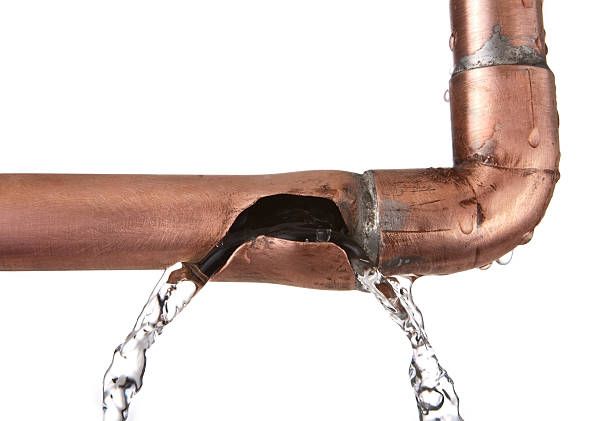
The Speed of Corrosion: Metal components in your home’s systems start breaking down the moment moisture touches them. Copper pipes develop pinhole leaks, and wire connections oxidize and loosen. What worked fine last month suddenly becomes a fire hazard because water accelerated the aging process. Phoenix’s hard water makes this worse, leaving mineral deposits that hold moisture against metal surfaces long after the initial leak stops.
Compounding Failures: Here’s what most people miss about home systems. They’re connected in ways that aren’t obvious until something breaks. That slow leak from your upstairs toilet doesn’t just damage the ceiling below; it saturates the insulation around electrical wires. The wires heat up more than they should because wet insulation can’t protect them properly. Then, your circuit breaker starts tripping randomly, and you think it’s an electrical problem when really, it started with plumbing.
Why a Professional Inspection Catches What You Miss
Cross-System Assessment: A trained eye spots the warning signs before they become emergencies. Professionals check for water damage patterns that indicate where moisture has traveled through your walls. They look at electrical components for signs of corrosion or heat stress. They understand how one system affects another because they’ve seen what happens when small problems get ignored for too long.
Thermal Imaging Reveals Truth: Modern diagnostic tools can see through walls to find moisture and hot spots. A thermal camera shows exactly where water has compromised your home’s safety, even if the surface looks dry. Temperature differences point to electrical connections working harder than they should, often because moisture is present somewhere in the circuit.
The Real Cost of Waiting
Damage Multiplies Fast: What could have been a 30-minute repair turns into days of work once water gets into your walls. Drywall needs replacing; wiring gets pulled and reinstalled. Mold remediation adds another layer of expense. Fixing a small leak today costs maybe a few hundred dollars. Waiting until it affects your electrical system? You’re looking at thousands, and that’s if you catch it before a fire starts.
Safety Timeline Matters: Every day that passes with moisture near electrical components increases the chance of catastrophic failure. The risk doesn’t stay steady. It grows. Metal corrodes faster as oxidation spreads. Connections get looser as expansion and contraction cycles repeat. Your home becomes less safe each week you postpone the call.
Signs You Need Immediate Attention
Homeowners should watch for specific indicators that small problems are becoming dangerous situations:
- Flickering lights when you run water
- Musty smells near electrical outlets
- Warm spots on walls or ceilings
- Discoloration around fixtures or panels
- Breakers that trip without clear cause
- Water stains anywhere near electrical boxes
Your home’s safety depends on addressing repairs before they interact in dangerous ways. That dripping pipe won’t fix itself, and every day it leaks brings it closer to your electrical system. Professional inspection catches these cross-system risks early, when fixes are simple and affordable.
Don’t wait until a minor problem becomes a major emergency. Contact a licensed plumbing and electrical service provider for 24/7 emergency response from highly trained technicians who understand how your home’s systems work together.
Featured Image Source: https://media.gettyimages.com/id/157436620/photo/broken-leaking-copper-water-pipe.jpg?s=612×612&w=0&k=20&c=8dXvHC4H7cnTgzGHNxCO2G0N9RpOAguTvmAl6mD9fuQ=