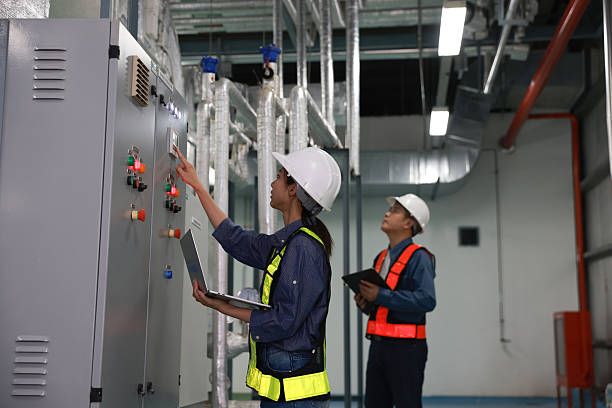
Modern manufacturing relies on the connection between automation design and programming expertise. Factories need both advanced monitoring systems and qualified programmers to achieve their production goals. Understanding this relationship helps companies build reliable operations that scale with business growth.
The factory floor has changed dramatically over the past decade. Production lines that once required constant manual oversight now run with minimal intervention. This shift didn’t happen by accident. It required careful planning, technical expertise, and a deep understanding of how different systems work together to create a unified operation.
The Foundation of Modern Manufacturing
Real-Time Visibility Drives Decision Making: A SCADA system forms the backbone of factory monitoring and control. These platforms collect data from sensors, machines, and production lines to give operators a complete view of manufacturing operations. Without this visibility, managers struggle to identify bottlenecks, predict maintenance needs, or respond quickly to production issues that cost time and money.
Programming Expertise Turns Data Into Action: Having monitoring systems means nothing without someone who can make them work properly. A qualified PLC programmer writes the logic that controls equipment, manages safety protocols, and ensures machines respond correctly to changing conditions. These professionals bridge the gap between what a system can do and what a factory actually needs to accomplish daily production targets.
Building Systems That Actually Work Together
Integration Requires Technical Knowledge: Many factories install monitoring platforms and control systems separately, assuming they will work together automatically. This approach creates data silos and communication failures. Industrial protocols need careful configuration to ensure information flows smoothly between different components. The result is often delayed responses, inaccurate readings, or complete system failures during critical production moments.
Scalability Depends on Smart Design: Production demands change as businesses grow. A system designed only for current needs becomes a limitation within months. Smart factories plan for expansion by:
- Selecting hardware that supports additional inputs and outputs
- Writing modular code that adapts to new equipment
- Documenting system architecture for future modifications
- Testing integration points before full deployment
Safety Cannot Be an Afterthought: Control systems manage more than production speed and quality. They protect workers from dangerous equipment, prevent chemical spills, and shut down operations when sensors detect problems. Programming errors in safety logic create liability risks that no company can afford to ignore.
The Cost of Mismatched Skills
Technical Gaps Lead to Production Losses: Factories sometimes hire programmers who understand code but lack manufacturing experience. Others bring in automation experts who can’t write the logic needed for complex operations. This mismatch results in systems that look impressive during installation but fail under real production conditions. Downtime costs add up quickly when troubleshooting takes hours instead of minutes.
Maintenance Becomes a Constant Struggle: Poorly integrated systems require constant attention. Operators spend time manually adjusting parameters that should update automatically. Machine learning algorithms remain unused because nobody programmed the data collection properly. Production managers watch efficiency targets slip away as technical debt accumulates across the operation.
Factories that treat automation design and programming as separate functions pay the price through reduced uptime, safety concerns, and limited growth potential. The most reliable operations come from teams that understand both monitoring systems and control logic. Companies ready to build smarter factories should evaluate whether their current approach truly connects these critical skills. Taking time now to address integration gaps prevents costly problems later when production demands increase and competition intensifies.
Featured Image Source: https://media.gettyimages.com/id/2217910456/photo/electrical-engineer-team-wearing-safety-vest-and-white-hardhat-check-control-switchgear-or.jpg?s=612×612&w=0&k=20&c=-CDV-zUc5QBv1u1ScV9MxqOp2cyhpoLwQRct737XZvY=