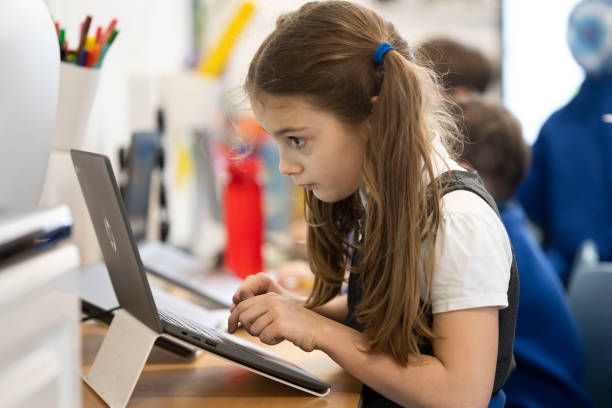
The landscape of British education is changing. Parents across the UK are questioning whether conventional schooling fits their children’s needs. Some students excel in quieter environments. Others need schedules that bend around training, travel, or health requirements. The result is a steady move towards digital learning platforms that offer structure without rigidity.
The Digital Shift in UK Education
Growing Trust in Virtual Classrooms: Distance learning has shed its outdated reputation. Oxford online short courses and full-time programmes now attract families who previously would not have considered alternatives to brick-and-mortar schools. The quality has improved dramatically. Teachers deliver live lessons through video platforms. Students interact in real time. The experience feels less isolated than many expect.
Breaking Down Geographical Barriers: Families relocate for work. Children travel for competitions. Some live abroad but want British qualifications. International online schools provide consistency when physical attendance becomes impossible. A student in Dubai can follow the same Pearson Edexcel curriculum as someone in Manchester. The accreditation remains recognised. Universities accept the qualifications without question.
What Drives This Educational Transformation
Flexibility That Adapts to Individual Circumstances: Traditional school timetables suit some children perfectly. Others find them restrictive. Young athletes train for hours each day. Performers rehearse and travel for auditions. These students often fell behind before online options existed. Now they complete GCSEs and A-levels whilst maintaining their passions. The schedule bends to fit their lives rather than the other way round.
Addressing Mental Health and Wellbeing Concerns: Bullying remains a serious issue in many schools. Anxiety can make classroom attendance unbearable for some teenagers. Parents watch their children struggle and feel helpless. Online learning removes certain social pressures whilst maintaining academic rigour. Small virtual classes feel safer. Students participate more freely when physical presence does not trigger their anxiety.
Quality and Accreditation Standards
Qualified Teachers and Structured Support: Critics assume online education means isolation and poor instruction. The reality differs. Reputable programmes employ fully qualified teachers with years of classroom experience. They deliver structured lessons that follow official curricula. Students receive regular feedback and detailed progress reports.
Results That Speak for Themselves: The proof appears in examination results. Well-established online schools report pass rates that match or exceed traditional institutions. Students gain places at competitive universities. The GCSE and A-level results demonstrate that screen-based learning does not compromise educational outcomes when delivered properly.
Who Benefits Most from Online Learning
A Broader Range Than Expected: The stereotype suggests online schools only suit struggling students. This misses the full picture. High achievers choose virtual classrooms for advanced courses their local schools cannot offer. Gifted children work at faster paces. Students with specific learning differences receive individualised attention that large classes cannot provide.
Consider these diverse groups who thrive in online environments:
- Elite athletes who travel extensively for training camps and competitions need education that moves with them.
- Children with chronic health conditions requiring frequent hospital visits or extended recovery periods find attendance flexibility essential.
- Families living overseas who want their children to maintain British qualifications and university pathways without boarding school separation.
- Students who experienced severe bullying or school refusal now complete their education in psychologically safer environments.
Access to British Education Worldwide: The Pearson Edexcel international curriculum carries weight globally. Universities from Australia to Canada recognise these qualifications. Students avoid the complication of having credentials from multiple educational systems. The pathway to higher education remains clear regardless of where families relocate during the school years.
The movement towards online education reflects practical needs rather than trendy preferences. British families choose virtual schools because they solve real problems that traditional institutions cannot address. The quality has improved. The accreditation stands firm. The results prove the model works for many different types of students. If your family needs flexibility without sacrificing educational standards, exploring online options might reveal solutions you had not considered. The future of learning accommodates individual circumstances rather than forcing everyone into identical moulds.
Featured Image Source: https://media.gettyimages.com/id/1231338319/photo/cardiff-wales-a-child-uses-a-laptop-at-roath-park-primary-school-on-february-23-2021-in.jpg?s=612×612&w=0&k=20&c=oHNv2LycVsRRF6MnMX9EyZIxHTaddnLYdALvcyU-M98=